
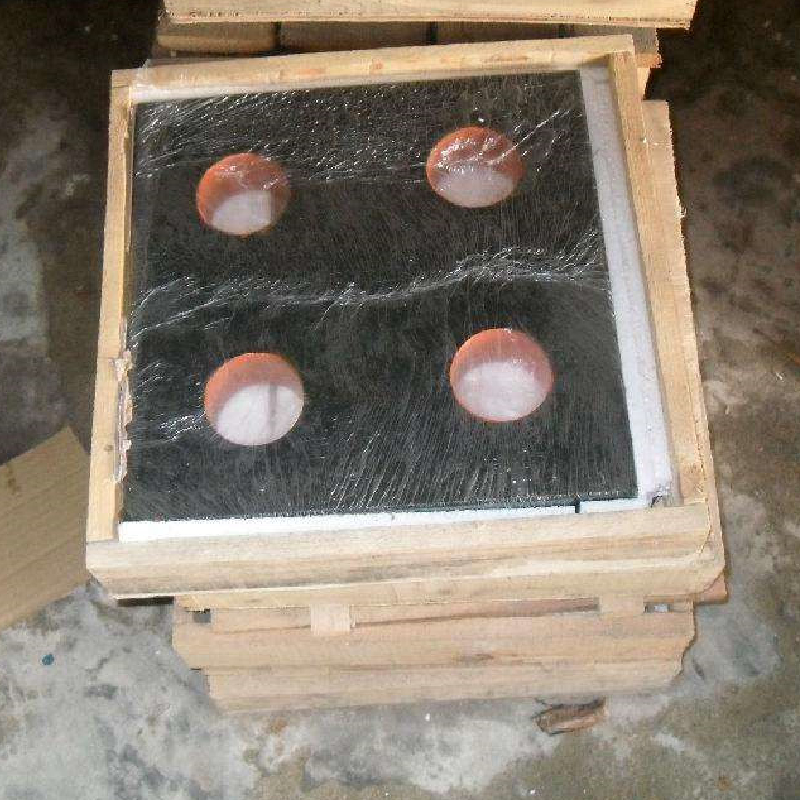
glass wall panels exterior
Storaen (Cangzhou) International Trading Co. manufactures precision pin gauge instruments using premium GCr15 bearing steel, setting industry benchmarks for dimensional accuracy and durability. Our machinist gauge pins products serve as essential measurement tools for quality control across automotive, aerospace, and precision engineering sectors. This comprehensive guide explores how our GCr15 material selection enhances gauge pin performance in demanding industrial applications. GCr15 Material Enhances Pin Gauge Durability The high-carbon chromium bearing steel (GCr15) used in our pin gauge products provides exceptional hardness and wear resistance. Storaen (Cangzhou) International Trading Co. carefully heat-treats each machinist gauge pin to achieve optimal material properties that withstand frequent use in production environments. Our standard pin gauge series benefits from GCr15's dimensional stability, maintaining precise tolerances through thousands of measurement cycles. This material choice significantly extends service life compared to conventional gauge pin materials, reducing replacement costs for quality departments while ensuring consistent measurement reliability. Machinist Gauge Pins Deliver Unmatched Measurement Accuracy Storaen (Cangzhou) International Trading Co. produces machinist gauge pins that meet the most stringent dimensional tolerances for precision inspection. Each pin gauge in our catalog undergoes meticulous grinding and lapping processes to achieve micron-level accuracy. The standard pin gauge variants in our GCr15 series feature precisely controlled diameters that serve as reliable masters for hole verification and fixture alignment. Manufacturers trust our gauge pins for critical applications where measurement deviations could compromise product functionality or safety, from engine components to hydraulic systems. Standard Pin Gauge Solutions For Diverse Industrial Needs The comprehensive range of standard pin gauge products from Storaen (Cangzhou) International Trading Co. addresses various measurement requirements in modern manufacturing. Our pin gauge sets include multiple diameter increments to accommodate different tolerance grades and inspection needs. The machinist gauge pins in our standard series are available in multiple length configurations for checking hole depth as well as diameter. This versatility makes our GCr15 gauge pins indispensable tools for quality control departments that need to verify everything from small precision bores to large industrial bearing housings with equal accuracy. Manufacturing Excellence Ensures Pin Gauge Precision Storaen (Cangzhou) International Trading Co. maintains rigorous quality control throughout the production of our pin gauge instruments. Each machinist gauge pin undergoes multiple grinding stages and precision finishing to achieve the required surface finish and dimensional accuracy. Our standard pin gauge products are subject to comprehensive inspection using coordinate measuring machines and optical comparators before shipment. This meticulous approach to manufacturing has established us as a trusted supplier of measurement standards to industries where dimensional accuracy directly impacts product performance and manufacturing efficiency. Aspect Details Definition A cylindrical tool used to measure the diameter of holes or the width of slots, playing a crucial role in achieving precision in engineering and manufacturing. Key Features Available in various sizes; typically made from high-quality materials like stainless steel for durability and wear resistance; have a standard tolerance level to assess if a dimension is within acceptable limits. Usage Method To measure a hole's diameter: select the appropriate size, insert into the hole. A snug fit without excessive force indicates the diameter is correct; if it doesn't fit, further inspection is needed to check if the part is within tolerance. Additional Applications Can be used for calibrating other measuring instruments, making them vital in both manufacturing and laboratory settings where precise measurements are crucial. Pin Gauge FAQS What Advantages Does GCr15 Offer For Machinist Gauge Pins? GCr15 steel provides our machinist gauge pins with superior hardness, wear resistance, and dimensional stability. Storaen (Cangzhou) International Trading Co. selects this material for pin gauge products that must maintain accuracy through extended use in production environments. How Accurate Are Your Standard Pin Gauge Products? Our standard pin gauge instruments meet or exceed international precision standards. Storaen (Cangzhou) International Trading Co. manufactures pin gauge products with tolerances suitable for everything from workshop use to laboratory-grade inspection applications. What Surface Finish Do Your Pin Gauges Feature? The pin gauge products from Storaen (Cangzhou) International Trading Co. achieve exceptional surface finishes through precision grinding and lapping. Our machinist gauge pins feature finishes that minimize friction during measurement while resisting wear. How Should Machinist Gauge Pins Be Stored? Proper storage of our machinist gauge pins includes protection from humidity and temperature fluctuations. Storaen (Cangzhou) International Trading Co. recommends using dedicated cases for pin gauge sets to prevent damage and maintain organization. Can Custom Pin Gauge Sizes Be Manufactured? Storaen (Cangzhou) International Trading Co. offers custom standard pin gauge solutions for special applications. Our manufacturing capabilities allow production of pin gauge instruments with non-standard diameters or unique length requirements. Welcome to www.strmachinery.com ! Dive into our handpicked machinery collection—where innovation meets practicality. From versatile industrial gear to niche tools, every item is tested for excellence. Our site features quick filters, real-time stock updates, and smooth purchases. Let our solutions power your success—start shopping today!
about
glass wall panels exterior
Control Valves in Hydraulic Systems Control valves are integral components in hydraulic systems, playing a vital role in the effective management and regulation of fluid flow and pressure. They are designed to control the direction, flow rate, and pressure of hydraulic fluids, enabling precision in a variety of applications from industrial machinery to automotive systems. Understanding the function and importance of control valves in hydraulic systems is crucial for engineers, technicians, and anyone involved in hydraulic system design or maintenance. Function of Control Valves The primary function of a control valve in a hydraulic system is to manage the flow of hydraulic fluid. This can be achieved by either throttling the flow or completely blocking it, depending on the operational requirements. Control valves can be actuated manually, pneumatically, or electronically, allowing for a range of control strategies from simple operator-driven adjustments to complex automated systems. In practice, control valves are classified into several types including proportional valves, directional control valves, and flow control valves, each serving specific functionalities 1. Directional Control Valves These valves manage the path that the hydraulic fluid takes within the system, ensuring that fluid flows to the correct actuator or component. They can switch the direction of flow based on the actuator position and the desired movement of the hydraulic machine. 2. Flow Control Valves As the name suggests, these valves regulate the speed of fluid flow to the actuators. By modifying the flow rate, they control the pace at which hydraulic cylinders or motors operate. This is particularly important in applications that demand precise speed control for effective operation. 3. Proportional Valves These advanced control devices adjust flow rate and pressure in a continuous and proportional manner, as opposed to merely opening or closing. This allows for fine-tuned control over actuator movement, making them ideal for applications requiring high precision. Importance in Hydraulic Systems control valve in hydraulic system The significance of control valves extends beyond simple flow regulation. Their role is crucial in ensuring the efficiency, safety, and reliability of hydraulic systems. 1. Efficiency By controlling the flow and pressure of hydraulic fluid effectively, control valves minimize energy loss. Efficient operation means that hydraulic systems consume less power, which translates to lower operational costs and reduced environmental impact. 2. Safety Properly functioning control valves help to prevent overpressure conditions that could lead to equipment failure or catastrophic incidents. For instance, pressure relief valves are essential for protecting hydraulic systems from excessive pressure, ensuring safe operation under varying load conditions. 3. Flexibility The ability to control the mechanical power produced by hydraulic fluid allows for a wide range of applications. From construction machinery to automotive systems, the versatility of control valves is beneficial in adapting hydraulic systems to meet specific operational demands. 4. Maintenance and Troubleshooting Control valves can also aid in diagnosing issues within a hydraulic system. By monitoring the flow and pressure changes in response to valve adjustments, technicians can identify potential problems such as leaks, blockages, or failures in other system components. Design Considerations When selecting control valves for hydraulic systems, several factors must be taken into account, including the type of hydraulic fluid used, operating pressure, flow rate, and environmental conditions. Compatibility with the overall system design is essential to ensure optimal performance and longevity. Additionally, regular maintenance and calibration of control valves are vital to their continued functionality, helping to avoid system failures and costly downtimes. Conclusion Control valves are indispensable components of hydraulic systems, ensuring effective management of hydraulic fluid flow and pressure. Their various types serve distinct functions, and their importance cannot be overstated—from enhancing efficiency and safety to allowing flexibility in system operation. For anyone working with hydraulic systems, a thorough understanding of control valves and their applications is essential for achieving optimal system performance and reliability. As technology continues to advance, the development of smarter and more efficient control valve mechanisms will undoubtedly further enhance the capabilities of hydraulic systems in the future.
-

High quality industrial productsagement

High quality industrial products
View Details -

Meet the diverse needs of customers

Meet the diverse needs of customers
View Details -

Strict quality control

Strict quality control
View Details -

Top raw materials

Top raw materials
View Details -

Trusted supplier

Trusted supplier
View Details
Our application
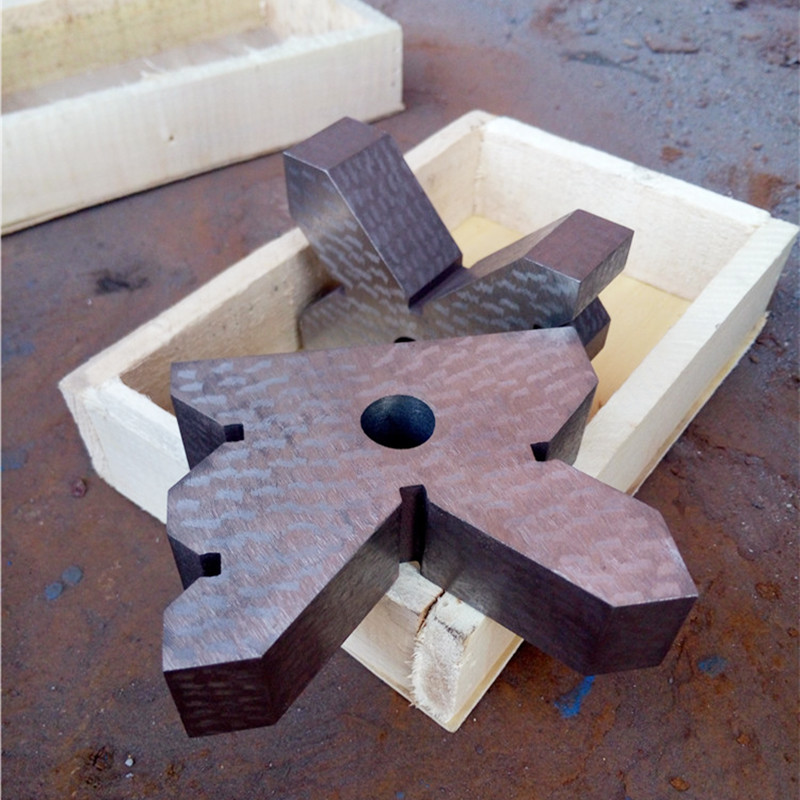
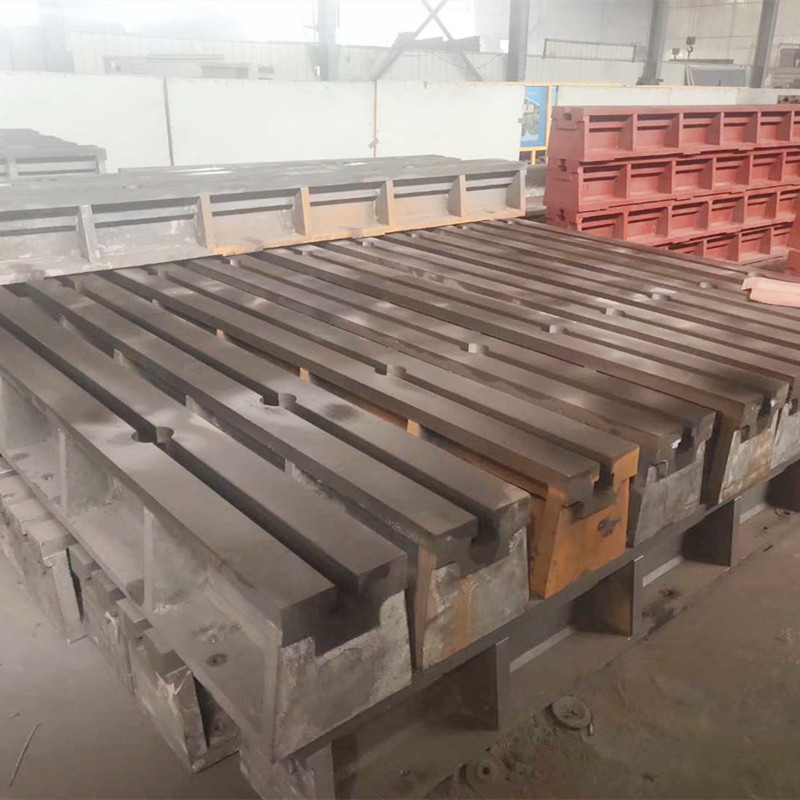

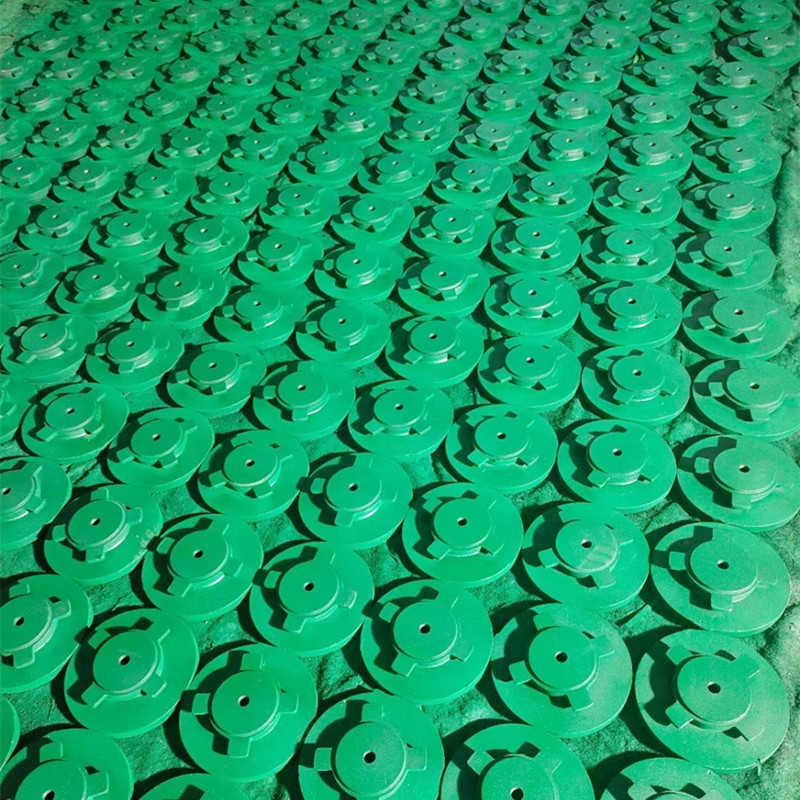
news and information

Versatile Welding Workbench for Efficient Metal Fabrication and Assembly Tasks
The Essential Guide to Welding Tables Your Ultimate Workbench Companion When it comes to metal fabri

y type strainer with drain valve
Understanding Y-Type Strainers with Drain Valves The Essential Component for Fluid Management In var
Vibrationspads
Vibrationsdämpfer Die Bedeutung von Vibrationspads in verschiedenen Anwendungen In der heutigen Welt
 English